


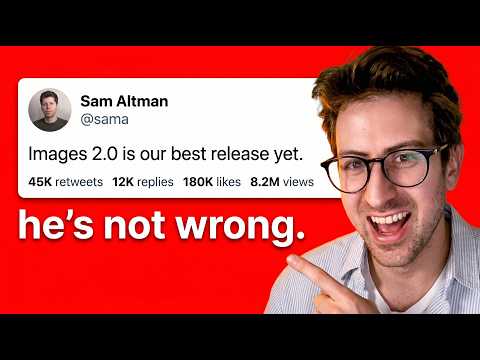

In this solo episode, I walk through ChatGPT Images 2.0 and show exactly how to use it to build creative assets that move a business forward, from brand visual directions to UI mockups to apparel mockups and editorial illustrations. I share the AI tool that surprised me this week (Noscroll), hand over a startup idea I want someone to steal (a learn-to-draw app with AI feedback on every sketch), and give you a five-step framework for finding and building a vertical AI business. I end with a Ralph Waldo Emerson quote that fired me up and a reminder to go conquer the day.
Timestamps
00:00 – Intro
01:21 – What’s New in ChatGPT Images 2.0
03:14 – Best Use Cases for Images 2.0
15:15 – Top Tips for Asset Generation
17:10 – Tool of the Week: Noscroll
20:17 – Startup Idea: Learn-to-Draw App with AI Feedback
24:58 – Framework: How to Find a Vertical AI Business to Build
29:45 – Closing Thoughts and Emerson Quote
Key Points
* ChatGPT Images 2.0 delivers 2K resolution, eight images per prompt, thinking mode with web search, and dramatically better text rendering across languages.
* Specificity is the whole game with 2.0: dialed-in aesthetic, camera, lighting, palette, subjects, and output dimensions separate cinematic results from stock-looking ones.
* Every business has four creative bottlenecks: marketing content, internal decks and training, visual explanation, and testing before building.
* No Scroll is a glimpse into the future of AI agents: small, focused products that read the internet for you and text only what matters.
* Vertical AI beats horizontal AI for reaching seven and eight figures in ARR because niche workflows plus proprietary data equal defensibility.
* The Emerson mindset: own the day, finish it, forget the blunders, and begin tomorrow serenely.
Numbered Section Summaries
1. What’s New in ChatGPT Images 2.0 I break down the three upgrades that matter: 2K resolution with eight images per prompt, accurate dense and multi-language text rendering (Japanese, Korean, Chinese, Hindi), and thinking mode that searches the web and fact-checks before generating. The expanded range now covers UI, infographics, packaging, and posters at a usable quality.
2. Prompts That Cook (and Ones That Miss) I walk through five real prompts I ran. The Wild Roman skincare brand visual reference is the gold standard: specific camera (Contax T2), golden hour lighting, Mediterranean palette, and human imperfection instructions produce photos that look real. The Shopify Super Bowl ad directions hit on Wes Anderson and cinematic but miss on "Apple shot on iPhone" and "Nike just do it," which teaches the same lesson — vague references produce stock imagery.
3. UI, Apparel, and Editorial Use Cases For UI, I generate Idea Browser leaderboard mockups in four variations and stress the importance of specifying native macOS chrome, realistic data in every cell, and exact output dimensions. For apparel, 2.0 produces six photorealistic shots of a fictional brand called Fourth Wave — a legitimate way to validate merch before printing. For editorial illustrations, a New York Times op-ed style prompt produces visuals worth dropping into proposals, decks, and one-pagers.
5. Tool of the Week: No Scroll Blake Robbins tweeted that No Scroll is one of the most magical AI experiences he’s had, so I tried it. After adding it to my iPhone contacts and chatting for five minutes, I agree. It researched me (Late Checkout CEO, 158k newsletter subscribers, 237k LinkedIn followers), joked about me going stealth by signing up via email, and reacted to my messages like a human would. It’s a preview of how AI agents will actually show up in daily life — small and focused rather than one giant assistant.
6. Startup Idea of the Week: Learn-to-Draw with AI Feedback Pulled from Idea Browser: a mobile app at $5/month or $50/year that teaches drawing through 10-minute structured lessons, three sessions a week. AI feedback catches the specific mistakes a YouTube tutorial skips (a proportion issue in the left shoulder, a shading gradient that flattens instead of rounds).
7. Framework: How to Find a Vertical AI Business The five-step path: find a boring pain point (ideally from your own work experience), map the entire workflow, do the job as a service for real clients, document edge cases and failures, then add vertical agents to replace specific steps.
The #1 tool to find startup ideas/trends – https://www.ideabrowser.com/
LCA helps Fortune 500s and fast-growing startups build their future – from Warner Music to Fortnite to Dropbox. We turn ‘what if’ into reality with AI, apps, and next-gen products https://latecheckout.agency/
The Vibe Marketer – Resources for people into vibe marketing/marketing with AI: https://www.thevibemarketer.com/
FIND ME ON SOCIAL
X/Twitter: https://twitter.com/gregisenberg
Instagram: https://instagram.com/gregisenberg/
LinkedIn: https://www.linkedin.com/in/gisenberg/
